The Cruise Virus Story Everyone Is Talking About — And What Travelers Actually Need to Know
Every few months, a cruise-related health headline starts making the rounds, and suddenly everyone becomes an amateur epidemiologist over breakfast. Someone sees the word virus, someone else forwards an article without reading past the headline, and before you know it, Aunt Susan is cancelling her anniversary trip because she heard “something is happening on ships.”
This time, the story involves hantavirus, an expedition cruise vessel, and a lot of perfectly understandable confusion. It is serious enough to deserve attention, but not broad enough to deserve panic. And that distinction matters, especially in travel, where one dramatic headline can make very different journeys sound like the same thing.
And listen, I get it. After the Netflix documentaries, the infamous “poop cruise” headlines, and years of cruise ships being used as shorthand for every possible travel mishap, it does not take much for people to connect the dots a little too enthusiastically. “Virus” plus “ship” is enough to make even a perfectly rational traveler start imagining buffet tongs, hazmat suits, and a vacation narrated by a very serious voice-over. But this particular story is far more specific than that. This was not a typical Caribbean sailing, not a Mediterranean yacht voyage, and not the usual norovirus situation most people associate with cruises. It involved a rare virus, an expedition-style vessel, and a set of circumstances that deserve context before they become cocktail-party mythology.
So before anyone cancels a honeymoon, postpones a family trip, or quietly abandons the idea of spending a very civilized week on a yacht in the Mediterranean, let’s slow the room down for a second. Here’s what happened, what travelers actually need to know, and why the smartest response is not fear — it’s perspective.
What happened?
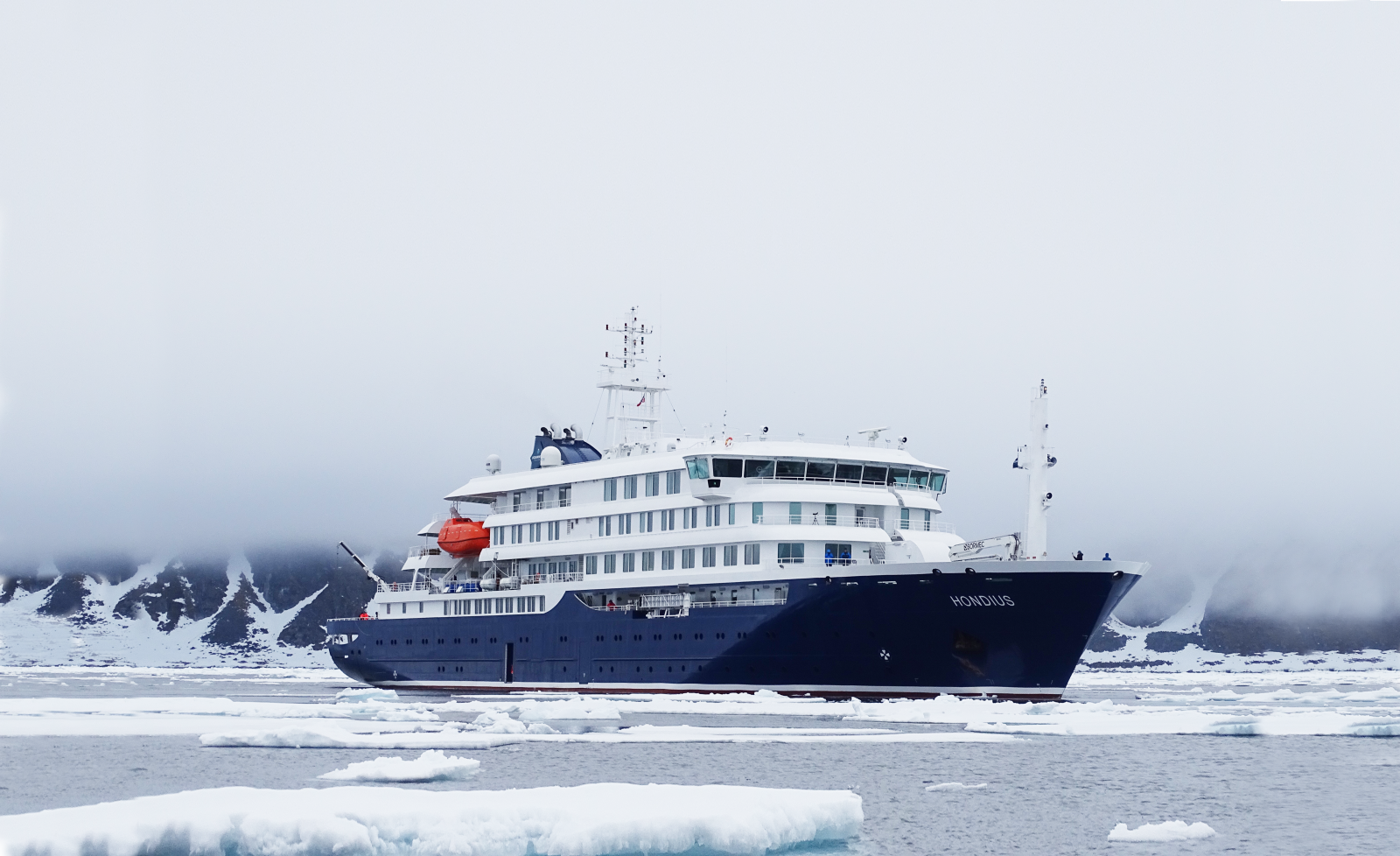
The ship at the center of the story is the MV Hondius, a Dutch-flagged expedition vessel operated by Oceanwide Expeditions. This is not a floating city with waterslides, Broadway shows, and 5,000 people trying to find the same elevator after dinner. Hondius is a purpose-built polar expedition ship, carrying roughly 170 passengers, designed for remote itineraries involving Zodiac landings, wildlife, lectures, and places most people could not confidently point to on a map.
The voyage departed from Ushuaia, Argentina, on April 1, 2026 — which, for anyone unfamiliar, is often marketed as “the end of the world.” And because I am writing this from Argentina, I feel professionally obligated to say: yes, we have dramatic landscapes, excellent beef, and the occasional headline that makes the rest of the world nervous. But no, I am not currently writing this in a hazmat suit. My mate is safe. We may continue.
This was not a standard seven-night sunshine-and-spritz sailing. The route crossed the South Atlantic and included places such as Antarctica, South Georgia, Tristan da Cunha, Saint Helena, and Ascension Island — the kind of expedition itinerary where medical logistics and public health decisions can become far more complicated than they would be in a typical Mediterranean or Caribbean cruise.
According to health authorities, several people on board developed severe respiratory illness during the voyage, later linked to Andes hantavirus. The ship carried 147 people — 88 passengers and 59 crew — from 23 nationalities. By mid-May, European health authorities had reported 11 cases in total, including 3 deaths, and the ship was met in Tenerife, Spain, under controlled public health protocols.
So yes, the headline is real, and the illness was serious. But the setting matters. This was a rare outbreak on a remote expedition voyage — not a mainstream cruise, not a luxury yacht in the Mediterranean, and not the usual norovirus story most people imagine when they hear “cruise outbreak.” Context, as usual, is doing most of the heavy lifting.
What is hantavirus?
Hantavirus is a family of viruses usually associated with rodents. People can become infected after exposure to contaminated urine, droppings, saliva, or dust from infected rodents, particularly in areas where the virus is already present. Not exactly the glamorous side of travel writing, but here we are.
The strain involved in this case is called Andes virus, a type of hantavirus found in parts of South America. What makes it unusual is that, unlike most hantaviruses, Andes virus can sometimes spread from person to person, usually through close and prolonged contact with someone who is already sick.
That distinction matters. This is not the same as norovirus, the stomach bug most people associate with cruise outbreaks, and it is not believed to spread casually through a buffet line, a crowded lounge, or one dramatic sneeze near the elevators. It can be very serious, but it is also rare and specific — which is exactly why context matters.
Is this really a “cruise problem”?
The easy reaction is to put everything under one big dramatic headline: virus on cruise ship. But that is not how travel risk works.
A ship is not just a ship. A three-night Miami getaway, a family cruise in the Caribbean, a Mediterranean yacht voyage, and a polar expedition are completely different animals wearing the same basic costume. They may all float, but that does not mean they carry the same risks, logistics, or medical realities.
That is really the point here. The lesson is not “avoid cruises.” The lesson is: understand the type of journey you are booking. Where is it going? How remote is it? What medical support exists nearby? What kind of traveler is it designed for? What insurance or evacuation coverage makes sense?
For most travelers, the answer is not to worry about hantavirus. The real questions are much more ordinary, and much more useful. Do you have proper travel insurance? Does it include medical evacuation? Are you visiting remote destinations or polished ports? Do you have any health conditions that should influence the type of voyage you choose? Are you choosing the right ship for your age, mobility, comfort level, and expectations?
These are not glamorous questions, but they are the ones that matter. A luxury trip should feel effortless, but the planning behind it should never be casual. The goal is not to make travelers afraid of the world. The goal is to make sure they are not sleepwalking into a journey they do not fully understand.
This is where a good travel advisor earns their keep — not by pretending risk does not exist, but by knowing which risks actually matter for the trip in front of you. The smartest travelers are not the ones who panic at every headline. They are the ones who ask better questions before they book.
Before you cancel the trip
The hantavirus outbreak connected to the MV Hondius is serious, and the lives lost should not be treated as a footnote in a travel story. But serious does not always mean widespread, and rare does not always mean irrelevant. The truth sits somewhere in the middle, which is usually where the useful answers live.
For travelers, the lesson is not to avoid ships, cancel plans, or start diagnosing every cough at sea. The lesson is to understand the kind of journey you are choosing, the environments it enters, and the precautions that make sense for that specific trip.
Because travel has never been about eliminating every possible risk. If that were the goal, we would all stay home, drink tap water, and watch documentaries about people having more interesting lives than ours.
Good travel is about perspective, preparation, and choosing wisely. The world is still worth seeing. The ocean is still worth crossing. And a well-planned voyage, handled with the right guidance, is still one of the most beautiful ways to do both.
